
Noisy doors
Noisy Garage Door Repair In Yuma
Noisy garage door repair finds the source of grinding, squeaking, rattling, popping, or shaking before a small wear problem turns into a stuck door.
Phone: (928) 459-2105
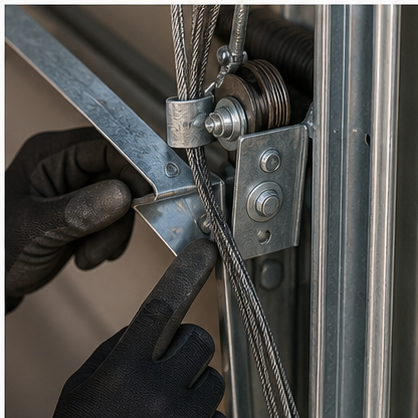
Noise diagnosis
We follow the sound to the worn part instead of guessing from the driveway.
Noise is not just annoying. It can be the first warning that a roller is failing, a hinge is loose, or the opener is fighting the door.
Noise is often the door asking for help early. A rattle, scrape, squeak, or grind can point to worn rollers, loose hinges, opener strain, or track rub.
First clues
The symptom tells us where to start.
Grinding, rattling, or squeaking
Noise can come from rollers, hinges, tracks, springs, opener gears, chain, or belt movement.
Tune-up warning signs
A rough-sounding door is easier to service before it sticks or jumps track.
Hardware wear
Dry rollers, loose hinges, and bent tracks are common noise sources.
What it usually means
The door is usually telling you something specific.
Noisy garage door repair finds the source of grinding, squeaking, rattling, popping, or shaking before a small wear problem turns into a stuck door.
Yuma dust and dry heat are hard on rollers, hinges, bearings, seals, and opener drive parts, especially on doors that run several times a day.
We listen to the door, check rollers, hinges, tracks, brackets, springs, opener rail, chain or belt, gear noise, and balance before recommending a tune-up or part replacement.
Before it gets worse
What to do before anyone keeps pressing the button
Right now
- Stop forcing the opener if the door is stuck, crooked, loud, or feels unusually heavy.
- Keep people away from the door, tracks, springs, cables, and bottom edge until the door is checked.
- Look from a safe distance for loose cables, bent tracks, broken rollers, sensor lights, or a gap in the spring.
- Call Yuma Door Repair and describe the symptom so the repair can start with the most likely failure points.
Common Yuma causes
- Yuma heat can dry out seals, stress opener electronics, and make older hardware show wear faster.
- Dust and grit can build up around rollers, hinges, sensors, tracks, and opener rails.
- Daily cycles wear springs, cables, rollers, hinges, remotes, keypads, and opener drive parts over time.
- A small alignment problem can turn into a bigger repair when the opener keeps pulling on a stuck door.
On the inspection
- Inspect the door first so a spring, cable, roller, track, or balance issue is not mistaken for an opener problem.
- Secure the door when it is heavy, crooked, off track, or unsafe to move.
- Repair or replace the failed part, then check related parts that may have been stressed by the failure.
- Test the door by hand and with the opener so it opens, closes, reverses, seals, and sits correctly.
What may be involved
Parts we may need to look at
- Grinding and scraping sounds
- Squeaking hinges and rollers
- Loose hardware checks
- Chain and belt opener noise
- Door balance and spring strain
- Tune-up or part replacement advice
On the call
Why Yuma Door Repair
Practical repair work, explained clearly.
A lot of door problems look alike from the driveway. We slow down enough to separate the symptom from the actual failure before parts get changed.
Before you say yes to a repair
- Ask what failed.
- Ask why it failed.
- Ask whether repair or replacement makes more sense.
- Ask what to watch so the same problem does not come right back.
Other help
More garage door help in Yuma
Questions
Noisy garage door repair questions
Why is my garage door suddenly loud?
Sudden noise can come from worn rollers, loose hinges, dry hardware, opener strain, or a spring/balance problem.
Can a tune-up quiet the door?
Sometimes. If parts are only dry or loose, a tune-up may help. Worn rollers, hinges, or opener parts may need replacement.
Is grinding noise serious?
It can be. Grinding may involve opener gears, bearings, rollers, track contact, or a door that is binding.
Does Yuma dust make doors noisy?
Dust can collect around tracks, rollers, hinges, and sensors, making worn parts sound worse and move rougher.
Need help with this garage door problem?
Call and describe what the door is doing. A clear symptom helps point the repair in the right direction.